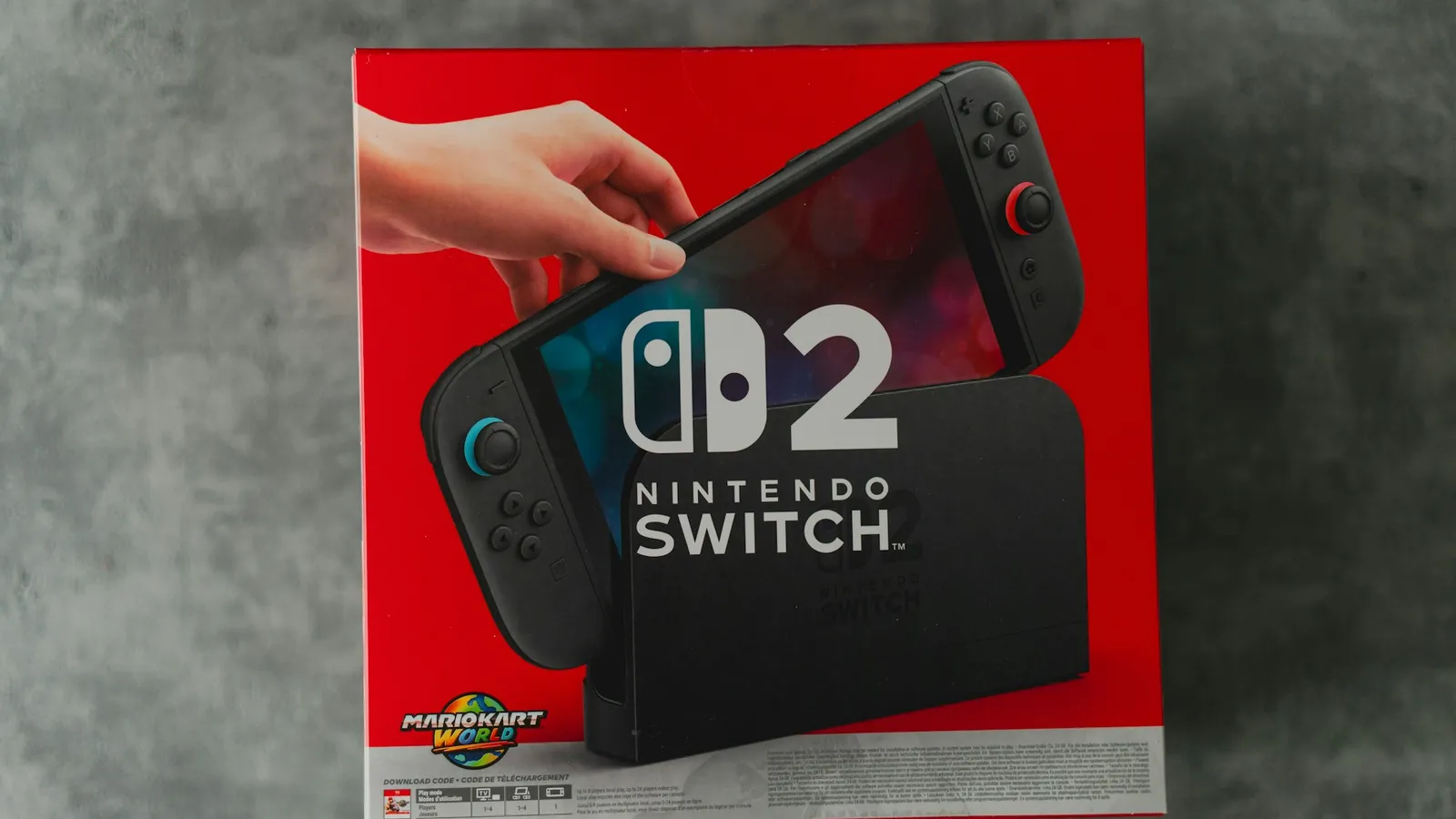
Nintendo published its results for the first half of the financial year ending March 2027 on 5 November 2026, and the Switch 2 figures show a clear slowdown compared with the launch period. Between April and September the console sold 6.49 million units, down 37.4% year on year. In the July–September quarter alone it sold around 2.67 million units, against 4.54 million in the same period a year earlier (roughly −41%).
Higher prices and a well-stocked launch
According to Nintendo, the slowdown comes down to two factors: the price increases introduced during the year, and plentiful stock at launch, which allowed many players to buy the console in its first months. The price of Switch 2 rose on 25 May in Japan (from ¥49,980 to ¥59,980) and on 1 September in the United States (from $449.99 to $499.99) and Europe (from €469.99 to €499.99). Rising memory and component costs, which are affecting the whole industry, are also part of the picture.
Despite the fall, cumulative sales reached 26.35 million units shipped as of 30 September, and the console remains more than six million units ahead of the original Switch and the PS5 at the same point in their life cycles.
Software and forecasts
Software is faring better: Switch 2 game sales rose 18.8% in the half to 24.49 million units, and operating profit grew 49.1% to ¥216.5 billion, while revenue fell 12.1% to ¥966 billion.
| Metric (April–September 2026) | Value |
|---|---|
| Switch 2 units sold in the half | 6.49 million (−37.4%) |
| Lifetime total | 26.35 million |
| Switch 2 software | 24.49 million (+18.8%) |
| Full-year hardware forecast | 16.5 million (unchanged) |
Nintendo kept its target of 16.5 million Switch 2 units for the full financial year: to hit it, the company will need to sell around 10 million consoles between October and March, a period that includes the festive season. According to some reports, the company also said it has secured enough memory and is not currently considering further price rises.